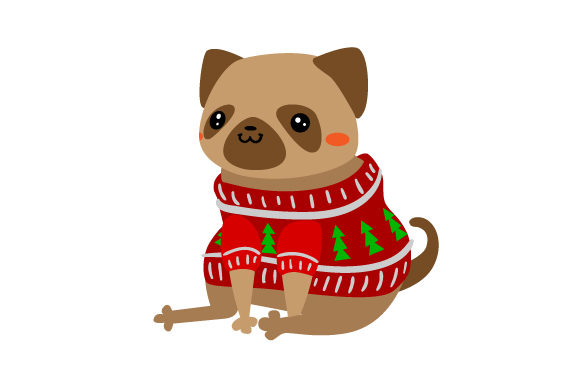
Dog in a Christmas Sweater
A Design That Smiles Back — Before You Even Stitch It
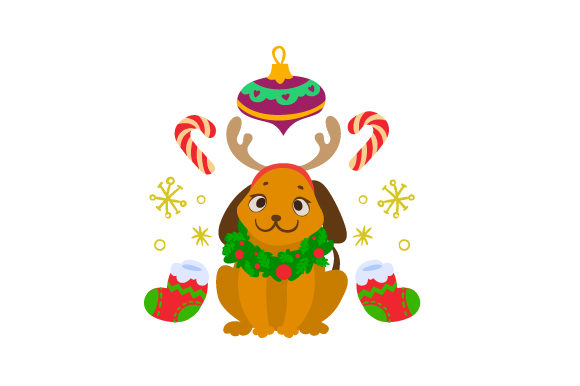
First impression? Warmth. Not just seasonal warmth — the kind that comes from seeing something genuinely charming, not cutesy-by-numbers. Dog in a Christmas Sweater lands with quiet confidence: a friendly, slightly lopsided dog face centered in a cozy, textured sweater pattern — think fair isle motifs, subtle snowflakes, and soft ribbing lines. There’s no frantic detail overload, no forced whimsy. Just a clear, balanced silhouette with intentional negative space around the head and shoulders. That breathing room matters — especially when you’re stitching on a curved sweatshirt chest or a petite baby onesie.
Where This Design Earns Its Keep (and Your Customer’s Smile)
I tested Dog in a Christmas Sweater as the hero motif on a natural linen tote bag for a local boutique’s holiday pop-up. Why a tote? Because it demands versatility: clean stitch definition at 8–10 inches wide, fabric texture that can swallow fine details, and visual impact from three feet away. The design held up — the sweater’s knit texture translated beautifully into satin stitch bands and gentle fill stitch gradients. No bleeding, no skipped stitches, even where the collar met the jawline. Customers paused. They touched the embroidery. They asked, “Is that *your* dog?” — proof it reads as personal, not generic.
It works equally well on softer applications: a cream cotton baby blanket (paired with light stabilizer and low-density fill), a navy twill apron (where the white-on-dark contrast popped without harshness), or a loopback cotton sweatshirt (the shape scaled cleanly to 4.5” wide without losing charm). As an embroidered patch? Yes — the outer edge is crisp, the internal details are bold enough for iron-on backing, and the proportions avoid awkward stretching over seams. For Etsy sellers, this is a reliable anchor design: pair it with “personalized name” or “family pet” in your listing title, and it converts. It doesn’t shout — it invites.
Where to Pause, Not Proceed
This isn’t a one-size-fits-all motif. On ultra-thin fabrics like lightweight rayon challis or delicate silk-blend scarves, the stitch density (especially in the sweater’s central motif) can cause puckering unless you reduce density manually or add tear-away + wash-away stabilizer combo. On highly textured fabrics — bouclé, thick terry, or heavily brushed fleece — some of the sweater’s subtle stripe definition gets lost. You’ll see the dog, but not the *sweater*. That’s fine for quick holiday gifts, less ideal if you’re marketing “detailed knit embroidery” as a premium feature.
Caps and curved surfaces require extra attention. The design’s width-to-height ratio means it fits neatly on a front panel, but avoid placing it too close to the bill seam — the top curve of the dog’s head can distort if hooped poorly. Also, skip using it on garments meant for heavy laundering (like kids’ daily tees) unless you confirm thread quality and stitch lock settings. Dense satin areas hold up well, but tiny decorative elements — say, a single snowflake near the ear — may fray over time without secure underlay or strategic running stitch outlines.
What It Does for Your Brand — and Your Buyer’s Trust
Dog in a Christmas Sweater elevates perceived value without demanding premium pricing. It feels handmade, not mass-produced — because it avoids clip-art symmetry and embraces gentle asymmetry in the dog’s expression and sweater drape. That authenticity builds trust: customers believe they’re buying intention, not inventory. For craft businesses, it reinforces consistency — whether stitched on a tea towel, pillow cover, or holiday card insert, the mood stays cohesive. It also photographs well in natural light, which means your printable mockups convert better and your Instagram feed feels curated, not cluttered.
And yes — it’s gift-ready. I’ve seen it turn a plain grey beanie into a best-selling holiday item at a craft fair. People don’t buy “embroidery.” They buy “a little joy, stitched just right.” This design delivers that quietly.
Practical Notes Every Embroiderer Should Run Through
- Test first. Always run Dog in a Christmas Sweater on scrap fabric matching your final project’s weight, stretch, and texture — especially if using it for custom apparel or commercial embroidery.
- Check thread color contrast. The design relies on tonal shifts in the sweater, so avoid pairing pale mint thread on light heather grey fabric — test in black-and-white mockups to verify clarity.
- Confirm hoop size and file compatibility. Since you’ll receive this embroidery file in SVG, Transparent PNG, EPS, DXF — verify which format your machine or software uses natively. Don’t assume SVG = ready-to-stitch; many machines need converted .pes or .dst files.
- Inspect small details. Zoom in on the dog’s eye and sweater cuff edges. Are they clean? Do corners look sharp, or slightly softened? That tells you how it will behave on dense fill or satin stitch zones.
- Stabilizer is non-negotiable. Medium-weight cutaway works for stable fabrics like canvas or twill; for knits or baby items, layer tear-away with light fusible for stability without stiffness.
- Licensing matters. If you plan to sell finished products (like embroidered sweatshirts) or resell digital versions, review the license terms included with your purchase. This design falls under Crafts and Christmas — but commercial use rights aren’t automatic.
Final Thought: It’s Not Just a Holiday Design — It’s a Story Starter
Dog in a Christmas Sweater doesn’t try to do everything. It does one thing beautifully: it makes people pause, smile, and imagine their own pet wearing it. That emotional resonance is rare — and valuable. Whether you’re stitching a single personalized gift or building a holiday collection for your small shop, this embroidery design earns its place not through complexity, but through quiet, confident charm. Use it where warmth matters most. And always — stitch with intention.